The Café Royal

The Café Royal on Regent Street, near Piccadilly Circus, became
a favorite haunt of writers and artists. It began as a small
eating house run by Daniel Nicholas Thévenon and his wife.
Its French cooking and wines earned the restaurant a reputation.
Source: The Dean’s Elbow by A. E. W. Mason, published 1930.
Bedford Square

H. H. Asquith, the Liberal prime minister from 1908 to 1916,
lived at No. 44 for a time. Two lord chancellors, Alexander
Wedderburn and John Scott, also lived on the square.
Source: The Dean’s Elbow by A. E. W. Mason, published 1930.
Staple Inn

On Holborn, near the end of Gray’s Inn Road, the timbered walls
and gables of Staple Inn overhang the pavement. Behind the
busy street, its quiet courtyards offer a glimpse of the setting
Dickens used in his unfinished novel, The Mystery of Edwin Drood.
Source: The Dean’s Elbow by A. E. W. Mason, published 1930.
Father Thames

The Thames carries the sea into the heart of London. The
historical account describes seagoing vessels reaching the
Pool of London, larger ships unloading at Blackwall, and
great liners traveling as far upriver as Tilbury.
Source: Royal River, published 1886.
London Highwaymen

A journey to London could be a dangerous undertaking. A poor
traveler had little protection, while a nobleman could travel
with outriders and attendants. Even then, highwaymen who knew
he was coming could band together and lie in wait.
Source: London Life in the Eighteenth Century, published 1930.
Time Keepers
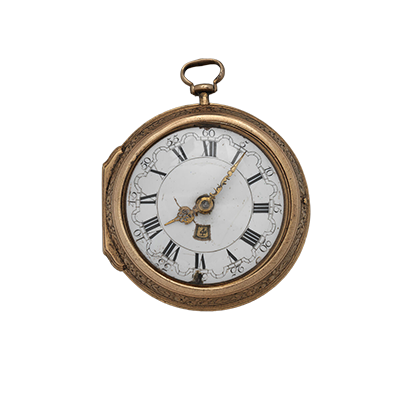
Watches were stolen so often that the author suspected they
were common possessions and may even have served as an
eighteenth-century substitute for a savings account.
Source: London Life in the Eighteenth Century, published 1930.